
Stop Missing Invoices: 3 Month ADHD Coaching for Freelancers
Stop Missing Invoices: 3 Month ADHD Coaching for Freelancers
If you’re a freelancer with ADHD, targeted coaching is usually the fastest way to turn scattered energy into reliable billable hours. It works because it hits executive function, accountability, and bespoke business systems all at once, not one at a time like an app or a book might. If your invoicing is a mess and your calendar feels like a dare, book a discovery call or try a short coaching package before you spend another year white-knuckling it alone.
TL;DR:
- Coaching benefits include building practical systems, accountability, and habits tailored specifically to how ADHD brains work, rather than relying on generic advice.
- Typical coaching involves weekly personalized plans, project trackers, email scripts, and boundaries checklists to improve organization and focus.
- Cost varies from single problem-solving sessions to six- or twelve-session packages, with longer retainers ideal for comprehensive business rebuilding.
- Successful coaching emphasizes real results like increased billable hours and on-time delivery, with progress tracked through clear metrics and structured phases.
- Coaching does not cure ADHD; it provides external support to develop effective systems that complement medication or therapy when applicable.
Table of Contents
- What does ADHD coaching for freelancers actually include?
- How does coaching improve executive function for freelance work?
- How much does ADHD coaching cost and how long does it take?
- How do you choose the right ADHD coach for your business?
- What does a 3-month ADHD coaching plan for freelancers look like?
- An honest look at what coaching can and can’t fix
- Ready to build a business that actually works with your brain?
- Sources
What does ADHD coaching for freelancers actually include?
Here’s the thing nobody tells you before you start Googling “ADHD coaching for freelancers” at 11 p.m., panicking about an invoice you forgot to send: coaching isn’t therapy, and it isn’t a pep talk. It’s closer to hiring a co-pilot for the parts of running a business that your brain treats like optional homework.
A solid coaching relationship usually includes:
- One-to-one coaching sessions focused on your specific business, not generic ADHD advice pulled from a pamphlet.
- Accountability check-ins between sessions, so a deadline isn’t just a vibe you ignore until it’s a crisis.
- Habit design built around how your brain actually works, not how productivity influencers say it should work.
- Systems and templates for the boring-but-critical stuff: invoicing, project tracking, client emails.
The deliverables matter more than the pep talks. Expect a weekly plan template you’ll actually open, a simplified project tracker instead of a 40-tab spreadsheet you built once and never touched again, scripts for the emails and invoices you keep avoiding, and a boundaries checklist so “quick call?” doesn’t eat your Tuesday.
Format varies by coach and by budget. Some freelancers start with a single discovery call to see if the fit is right. Others go straight for an intensive session to fix one specific fire. Most benefit from a structured package, somewhere between six and twelve sessions, with ongoing retainers or group coaching options for people who want long-term support rather than a quick patch job. Estelle-rose’s coaching packages for creatives and freelancers are built around exactly this kind of flexibility, because a wedding photographer’s chaos looks nothing like a copywriter’s chaos.
How does coaching improve executive function for freelance work?
Time blindness. Hyperfocus that swallows six hours and skips lunch. Context switching between five client Slack channels and your own invoicing. These aren’t character flaws. They’re executive function issues, and they respond to specific, practical intervention far better than willpower ever will.
A coach typically works through a mix of these techniques:
- Task-based time blocking instead of hour estimates. You block “finish client proposal,” not “9 to 11,” which sidesteps the guessing game that wrecks most freelancer calendars.
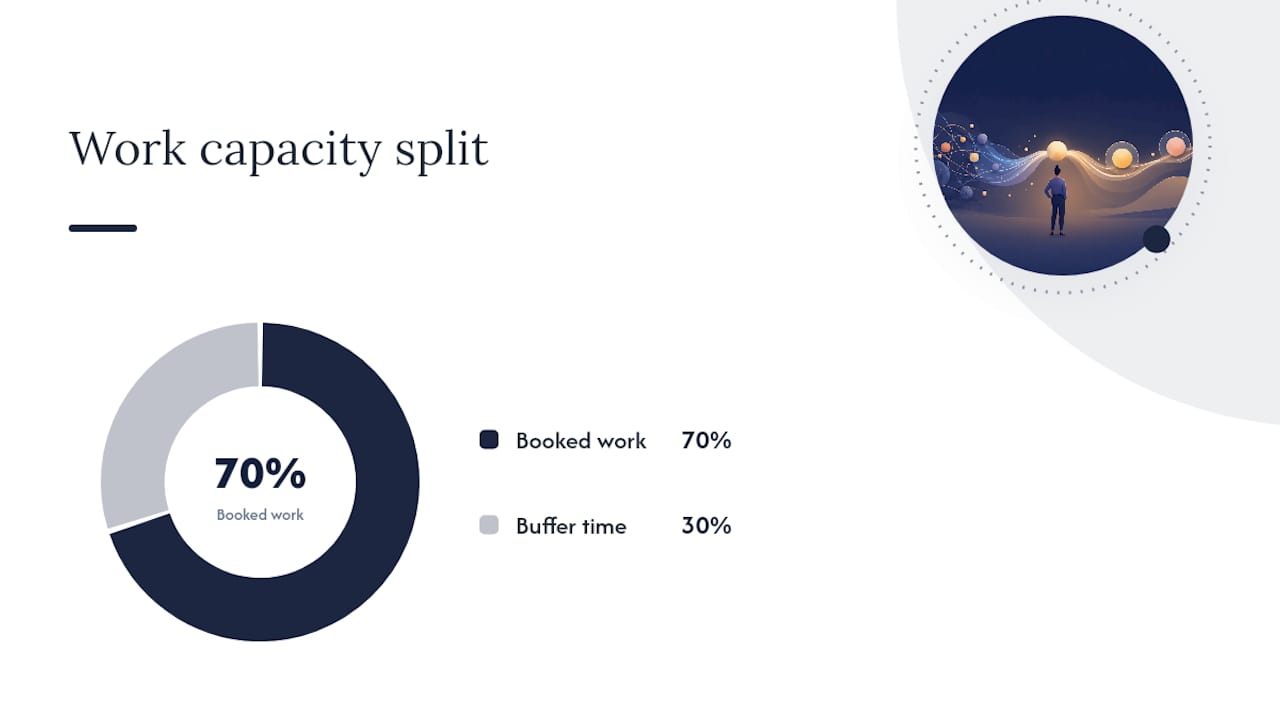
- The 70/30 capacity rule. Book only about 70% of your available hours and leave the remaining 30% as a buffer, a method that freelance productivity guides consistently point to as one of the best defenses against overbooking.
- Energy mapping. You identify your genuine peak windows and protect them for deep work, rather than pretending you’re equally sharp at 8 a.m. and 4 p.m.
- Pomodoro or “Power Hour” sprints paired with automatic time tracking, which strategies for freelancer time management show reduce context switching and sharpen your project estimates.
- Accountability structures like body-doubling, self-imposed deadlines, and public commitments, which create the artificial urgency that ADHD brains often need to move past dopamine-driven task avoidance.
Pro Tip: Pair one Pomodoro sprint with a five-minute shutdown ritual at the end of each workday, even a simple “close every tab, write tomorrow’s first task” habit. A repeatable end-of-day routine does more for sustainable output than another hour of grinding.
Coaches also help you build a minimal toolstack. Not fourteen apps. One task list, one automatic time tracker for honest data on where your hours actually go, and a shutdown ritual you can do half asleep. Behavioral tracking like this also helps freelancers price projects more accurately instead of guessing and getting burned.
How much does ADHD coaching cost and how long does it take?
Let’s talk money, because “it depends” is a useless answer when you’re trying to budget for your own brain support.
Engagement shapes generally fall into three categories:
- A single intensive session to solve one specific problem, like designing an invoicing workflow or fixing a chronically missed deadline pattern.
- A 6 to 12 session package, the most common structure, giving enough time to build and test new systems.
- A 3 to 6 month retainer, best for freelancers rebuilding their entire business operation from the ground up.
Pricing shapes vary widely by coach experience and specialty, sold either per session or as a package rate. A coach specializing in ADHD business coaching for creatives will typically price differently than a general life coach, and that’s usually worth it has given the specificity of the work.
If you’re in the UK and employed by your own limited company or working with certain client arrangements, it’s worth checking whether Access to Work coaching support could apply. Access to Work is a government scheme that can fund workplace adjustments, and coaching sometimes qualifies as reasonable adjustment support. Eligibility rules are specific and change, so check current criteria directly on Gov rather than trusting a blog’s guess, including this one.
A discovery call is the lowest-risk way to test the fit before committing to a package.
How do you choose the right ADHD coach for your business?
Choosing a coach when your brain already resists decision-making is its own special kind of hell. Here’s a shortcut.
- Ask about their experience with freelancers and creatives specifically. ADHD coaching for a corporate manager and ADHD coaching for a freelance illustrator are not the same discipline.
- Ask for examples of outcomes, not just testimonials. A real coach can describe a pattern of results without breaking confidentiality.
- Ask about session structure and what metrics they track. If they can’t describe what a typical session looks like, that’s information.
- Ask about cancellation terms before you sign anything, especially for retainers.
Red flags worth walking away from: vague deliverables, promises that sound suspiciously permanent (“you’ll never struggle with deadlines again”), zero client examples, or a coach who skips the discovery call entirely and pushes you straight into a contract.
Trust signals go the other direction: published work on adult ADHD, clearly listed packages with real prices, and a specific focus on executive-function methods rather than generic life coaching. Consider starting with a trial package before locking into a longer retainer. It’s a business decision, not a marriage.
What does a 3-month ADHD coaching plan for freelancers look like?
A well-structured 3-month freelancer ADHD coaching plan should move through three phases, not just meander through “how was your week.”
Month 1: Audit. A time audit reveals where your hours actually go (usually not where you think), an energy map identifies your real focus windows, and you leave with a weekly calendar template and one or two immediate wins to build momentum.
Month 2: Systems. This is where the invoicing flow, the one-page project tracker, and the accountability habits get built and stress-tested against real client work.
Month 3: Scaling. Client boundaries, pricing that reflects your actual capacity, and a maintenance plan so you don’t slide back into chaos the moment coaching ends.
Track progress with concrete metrics: billable hours per week, on-time delivery rate, invoice turnaround time, and a simple 1 to 10 focus/energy score you log daily. The 70/30 capacity rule alone, booking only 70% of available hours, is one of the single most effective structural fixes freelancers report when they finally stop overbooking themselves into burnout.
An honest look at what coaching can and can’t fix
Coaching won’t cure ADHD, and any coach who implies it will is lying to you. What it does is give you an external structure while you build an internal one, which matters enormously for freelancers because there’s no manager, no HR department, and no colleague noticing you’ve disappeared into a hyperfocus hole for six hours.
The conventional wisdom says freelancers with ADHD just need “better discipline.” That’s backwards. Self-employment attracts a disproportionate number of ADHD brains precisely because traditional structure doesn’t work for them, and the fix isn’t more willpower, it’s better-fitted systems. Coaching works alongside medication, therapy, or neither, depending on what you’re already doing. It’s not a replacement for clinical care; it’s the business-and-behavior layer that clinical care often doesn’t touch. If you want structured exercises alongside coaching, Estelle-rose’s ADHD books for adults offer a self-study complement many clients use between sessions.
— Estelle
Ready to build a business that actually works with your brain?
Reading about time blocking and the 70/30 rule is one thing. Having someone build it around your actual client load, your actual energy patterns, and your actual invoicing nightmares is another. Estelle-rose specializes in ADHD business coaching for creatives and freelancers, which means sessions start with your business, not a generic worksheet.
If executive function is your biggest bottleneck, the Adult ADHD Executive Function coaching package is designed around exactly that, weekly systems, accountability, and deliverables you keep long after the sessions end. If your workspace itself is part of the chaos, the ADHD organization and cleaning support tackles that side too. Book a discovery call and find out, in one conversation, whether coaching is the fix your business has been missing.
Sources
For more on the techniques mentioned here, see the freelance productivity guide on workday structure, freelancer time management strategies, and how home office setup affects real focus. UK freelancers exploring funding should confirm eligibility directly on gov.uk’s Access to Work page.
This article is general information, not a substitute for advice from a qualified doctor. Consult a qualified healthcare professional about your own circumstances before acting on anything here.
- Freelance Productivity Guide: How to Structure Your Workday and Stay Focused
- Freelancer Time Management: 10 Strategies That Work
- Time Management for Freelancers: A System That Actually Works When You Have No Boss
- Dream routine: productivity tips that actually work for freelancers

