Top ADHD-friendly habits to improve focus and productivity
Top ADHD-friendly habits to improve focus and productivity
TL;DR:
- ADHD-friendly habits should be simple, visual, flexible, and motivate quickly.
- Movement and mindfulness are effective for regulating dopamine and emotion.
- Small, consistent changes are more sustainable than large overhauls for adults with ADHD.
Getting an ADHD diagnosis as an adult can feel disorienting. You have answers, but now you face a mountain of conflicting advice about what to actually do. Habits come up constantly, but not all habits are created equal. Some require discipline levels that ADHD brains find exhausting. Others feel too abstract to start. This article cuts through the noise. It presents research-supported, practical habits selected for real-world use by adults with ADHD in the UK and USA. You will get frameworks, comparisons, and clear steps so you can build a routine that genuinely fits how your brain works.
Table of Contents
- What makes a habit ADHD-friendly?
- Movement and exercise: More than just fitness
- Mindfulness and emotion regulation
- Visual organization and environmental design
- Key habit comparison and customizing your plan
- Why ‘small wins’ matter more than big changes for ADHD adults
- Advance your ADHD journey with personalized support
- Frequently asked questions
Key Takeaways
| Point | Details |
|---|---|
| Start with simple habits | Begin with small, actionable changes for best early wins and sustained progress. |
| Movement boosts focus | Physical activity directly supports attention and mood in adults with ADHD. |
| Use visual cues | Environmental design and visible reminders help habits stick when focus drops. |
| Blend habits and supports | Combining habits with coaching, mindfulness, or medication gives the strongest results. |
| Consistency matters most | Small, repeatable actions outperform grand intentions for ADHD-friendly living. |
What makes a habit ADHD-friendly?
Not every productivity habit works for an ADHD brain. A habit is “ADHD-friendly” when it lowers the energy needed to start it, fits unpredictable energy levels, and provides clear, visible cues. The goal is to reduce friction, not add more things to remember.
Here are the key criteria for selecting an ADHD-friendly habit:
- Low friction: You can start in under two minutes with no setup.
- Visible reminders: The cue is in plain sight, not buried in an app or a mental checklist.
- Structured but flexible: There is a clear format, but it bends around your day.
- Dopamine-friendly: The activity provides a small reward or sense of completion quickly.
- Consistent trigger: It attaches to something you already do, like making coffee or waking up.
Willpower alone is not a reliable system. Research consistently shows that behavior change sticks when the environment does the work, not when you rely on mental effort. That is especially true for ADHD adults, where working memory and impulse control are already taxed.
The NICE ADHD guidelines confirm that lifestyle is first-line management for adults, recommended before or alongside medication. That is a significant statement. It means that building the right habits is not optional self-improvement. It is a recognized, evidence-based starting point.
With this framework in place, here are the top habits worth building first. You can also explore executive functioning tips to see how these habits connect to deeper cognitive skills.
Movement and exercise: More than just fitness
Exercise is one of the most researched non-medication tools for ADHD. It works because it directly affects brain chemistry. Specifically, exercise regulates dopamine, the neurotransmitter most associated with attention, motivation, and mood regulation. Many ADHD medications work on the same pathway.
Here are three easy movement habits to start with:
- Power walk during lunch. Even 10 minutes outside increases alertness and resets mental fatigue.
- Micro-exercise breaks every hour. Set a timer. Do 10 jumping jacks or stretch for 60 seconds. That is enough to shift your focus state.
- Dance to one song before a task. It sounds simple. It works. Movement before a cognitively demanding task primes the brain.
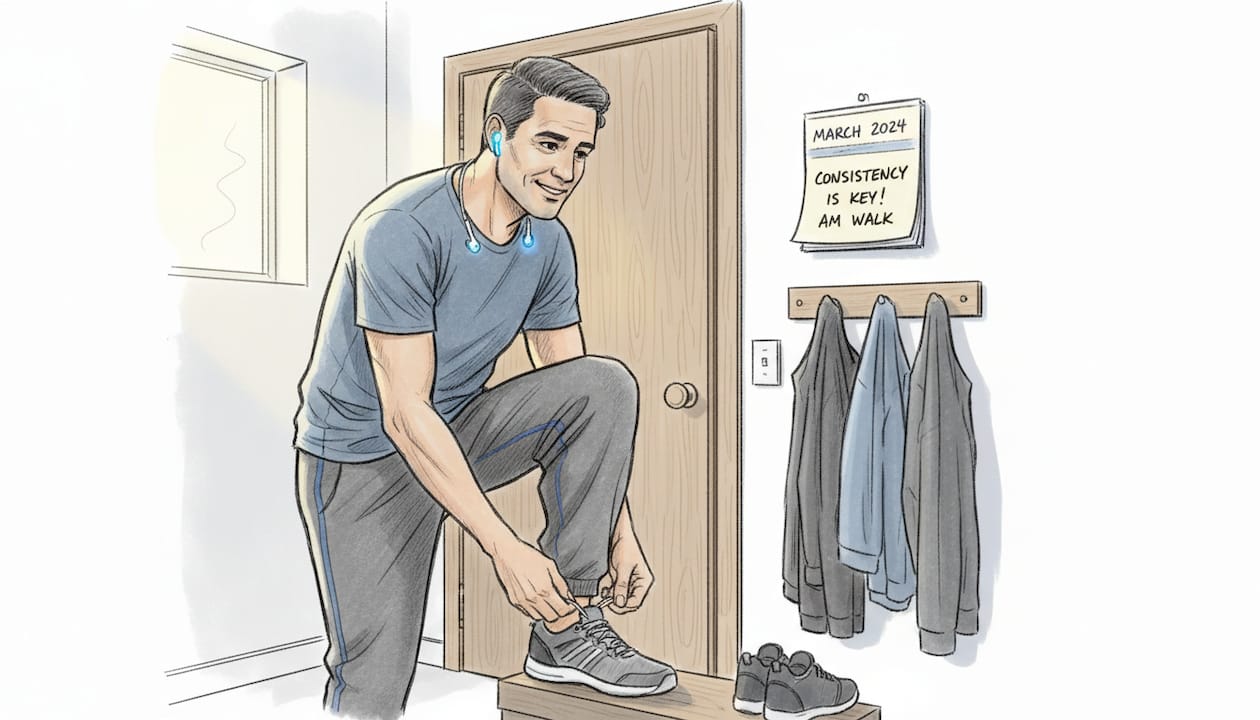
Cueing matters. Put your walking shoes by the door. Set a recurring phone alarm labeled “move.” Use a wearable that buzzes every hour. The cue does the reminding so you do not have to.
“Physical activity produces immediate and sustained improvements in attention and executive function for adults with ADHD, with effects comparable to short-term medication benefits.”
Pro Tip: Do not track intensity. Track consistency. Five minutes of movement every day beats a 45-minute workout twice a week for building the habit.
Pairing movement with an existing routine, like a post-breakfast walk or pre-meeting stretch, speeds up automaticity. You can also look into nutrition for brain health to support what exercise starts.
Mindfulness and emotion regulation
Emotional dysregulation is one of the most disruptive and least discussed aspects of adult ADHD. Mood swings, frustration, and rejection sensitivity can derail an otherwise productive day. Mindfulness practices build the self-awareness needed to catch those moments earlier.
Mindfulness aids emotion regulation and is now recommended as a lifestyle intervention for adult ADHD in both the UK and USA. The research points to improvements in impulsivity, emotional reactivity, and self-monitoring over time.
Here are ADHD-tailored mindfulness habits that are actually manageable:
- 2-minute body scan before starting work. Notice tension. Take three slow breaths. That is it.
- Sensory check-in before reading emails. What do you hear, feel, and see right now? This grounds you before reactive tasks.
- Guided audio for transitions. Use a short guided track when switching between activities to reduce the mental crash that often follows task-switching.
Pro Tip: If sitting still for meditation feels impossible, try active mindfulness instead. Mindful walking, where you pay attention to each step and your surroundings, counts. So does mindful coloring, where the focus is on the physical sensation of the pen on paper.
Understanding the difference between mindfulness vs concentration practices can help you choose the right one for your current state. For more personalized guidance, visit ADHD coaching insights built around adult ADHD realities.
Visual organization and environmental design
Your environment is either working for you or against you. For ADHD adults, a cluttered or visually noisy space increases cognitive load and reduces follow-through. Simple, visible systems cut down the mental effort required to stay organized.
Visual supports are recommended by NICE as part of ADHD management. Environmental design is not a soft suggestion. It is one of the fastest and most reliable ways to improve daily function.
| Method | Ease of setup | Maintenance needed | Best for |
|---|---|---|---|
| Color-coded calendar | Medium | Low | Time and task planning |
| Open shelving with labels | Low | Low | Finding essentials fast |
| Sticky note dashboard | Very low | Medium | Daily priorities and reminders |
| Reminder apps with visuals | Medium | Low | Time-sensitive tasks |
| Clear bins for daily items | Very low | Very low | Reducing lost-item frustration |
Useful habits to build into your environment:
- Use clear storage bins so items are visible without opening anything.
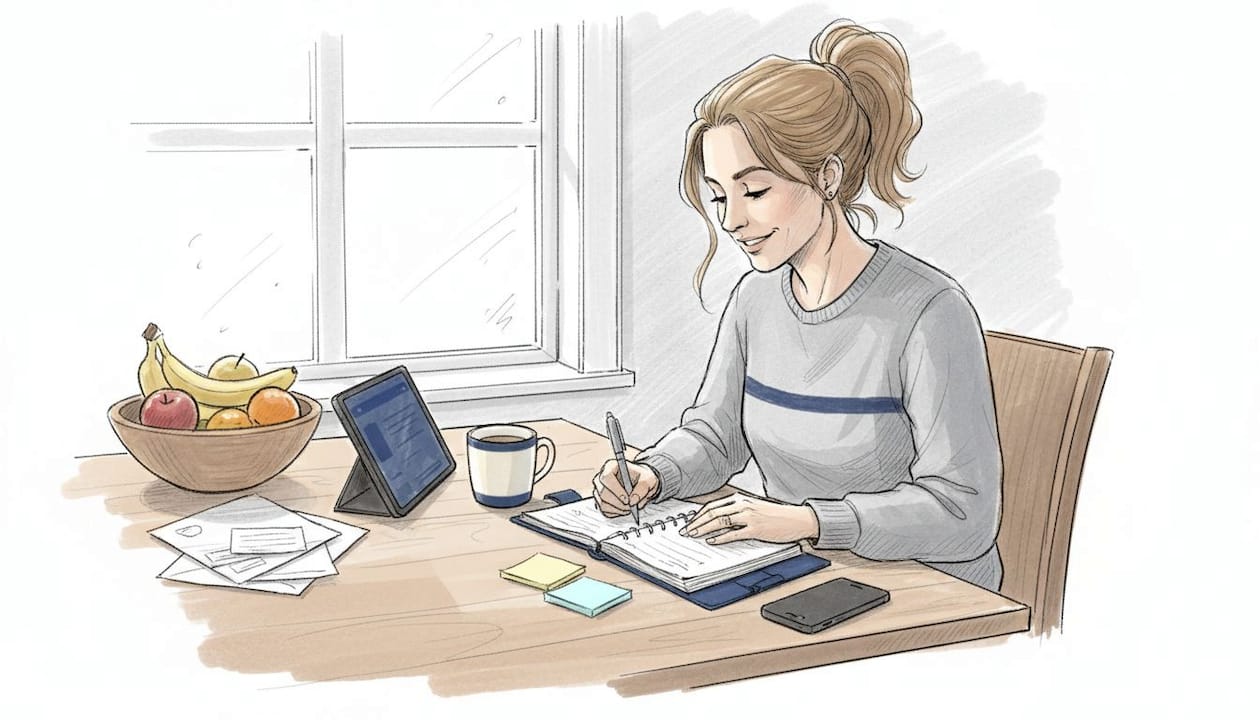
- Create a sticky note dashboard near your workspace with your top three tasks for the day.
- Label routine areas, like a “keys” hook by the door or a “morning meds” spot on the counter.
On difficult days, your environment still works even when your focus does not. That is the point. Explore ADHD organization methods and see community success stories from others who have made these tweaks stick. For broader guidance, habit-building tips can help you design sustainable systems.
Key habit comparison and customizing your plan
Now that you have seen each habit in detail, here is how they compare side by side. Use this to decide where to start.
| Habit | Ease | Time per day | Impact on focus | Support needed |
|---|---|---|---|---|
| Movement | Medium | 10-20 min | High | Cue setup |
| Mindfulness | Medium | 2-10 min | High | Guided audio helps |
| Visual organization | Low | 5-10 min setup | Medium-High | Initial design |
Blending habits based on your lifestyle is encouraged. Someone who works from home may find visual organization most immediately useful. Someone with a commute may get more from a daily walk. Both are valid.
Here is how to pick and implement your top two or three habits:
- Choose by lowest friction first. What can you start tomorrow with zero setup?
- Attach each habit to an existing routine. Morning coffee, lunch break, and end of workday are natural anchors.
- Track for two weeks. Use a simple checkbox. Adjust if something is not working.
No single habit works for every person. The best outcomes come from tailoring a plan to your specific life, not copying someone else’s system. If you are working with a doctor or therapist, habits pair well with CBT and medication. Check out ADHD workbook tools to get a structured starting point.
Why ‘small wins’ matter more than big changes for ADHD adults
The most common mistake after an ADHD diagnosis is going all in. New planner, new schedule, new diet, new exercise routine, all at once. Within two weeks, it collapses. That is not a character flaw. That is a predictable outcome when activation energy is too high.
The NICE-supported lifestyle-first approach works precisely because it is sustainable, not because it is dramatic. One tiny visible habit, done consistently, outperforms ten complex systems that get abandoned.
Here is what that looks like in practice. One person places their walking shoes next to the kettle. Every morning, they see the shoes. Most mornings, they walk for five minutes. Over three months, that habit becomes automatic. Their focus and mood improve in a measurable way. They did not overhaul their life. They just lowered the barrier for one thing.
That is the model. Lower the activation energy. Make the habit visible, easy, and rewarding in the short term. Explore executive function mastery to build on these small wins systematically.
Advance your ADHD journey with personalized support
Reading about habits is one thing. Implementing them with a structure built around your specific brain is another. Personalized support can shorten the trial-and-error process significantly.
If you are an adult with ADHD in the UK or USA looking for more than general advice, tailored resources and coaching tools are available. From ADHD executive function help to hands-on organization and cleaning tools, the goal is practical support that fits real life. Visit ADHD coaching support to explore books, workbooks, and coaching designed specifically for adults navigating ADHD in daily life.
Frequently asked questions
Do I need to combine habits with medication for best results?
Many adults benefit from combining habits and medication, but some find habits alone very effective, especially with support from a healthcare professional. Stimulants and CBT each show strong evidence, and the right combination depends on individual needs.
What is the simplest ADHD-friendly habit I can start today?
Starting a 5-minute daily walk is easy, effective for dopamine, and suitable for nearly everyone. Exercise shows strong evidence for attention and mood improvements even in short doses.
How can I remember to stick with a new habit if I get easily distracted?
Use visual reminders and set up cues in your environment, like sticky notes or phone alarms, to keep habits top of mind. Visual supports are recommended by NICE specifically for this reason.
Are mindfulness practices boring or hard for people with ADHD?
Mindfulness is challenging at first, but active or sensory forms can make it more engaging for ADHD brains. Mindfulness supports emotion regulation and does not require sitting still for long periods.
Should I avoid changing too many habits at once?
Yes, small and manageable changes are more sustainable and effective for adults with ADHD than trying to overhaul life all at once. NICE supports small changes as the most reliable path to lasting improvement.
Recommended
- Adult ADHD Executive Function
- ADHD Coaching for Impact-Focused Entrepreneurs & Creatives
- Empowering ADHD Organization and Cleaning
- Brain Boosting Food for Women with ADHD
- Mindfulness workflow for anxiety relief: step-by-step - Revive Health Therapy
- How to Build Healthy Habits Naturally for Lasting Results - Dietium

