8 ADHD lifestyle changes to boost focus and well-being
8 ADHD lifestyle changes to boost focus and well-being
Getting an ADHD diagnosis as an adult can feel like a relief and a flood of questions at the same time. You want to make changes, but the sheer volume of advice out there is exhausting. The good news is that lifestyle changes can meaningfully improve focus, mood, and daily functioning, whether you take medication or not. This article walks you through 8 evidence-based strategies, how to pick the right ones for your life, and exactly how to get started.
Table of Contents
- How to evaluate ADHD lifestyle changes
- 1. Regular exercise routines
- 2. Sleep improvements for better focus
- 3. Organization hacks that actually work
- 4. Reducing digital distractions
- 5. Building your support network
- 6. Workplace adjustments for ADHD
- 7. Therapy, coaching, and mindfulness
- 8. Choosing and customizing your ADHD lifestyle plan
- Get support for your ADHD journey
- Frequently asked questions
Key Takeaways
| Point | Details |
|---|---|
| Exercise boosts focus | 30 minutes of activity most days can sharpen attention and reduce symptoms. |
| Consistent sleep improves performance | 7–9 hours of quality sleep is critical for managing ADHD and daily productivity. |
| Organization systems reduce overwhelm | Breaking tasks into steps and using planners helps tame distractions. |
| Support networks increase success | Joining groups or coaching improves accountability and well-being. |
| Combine methods for best results | Lifestyle changes work best with medication or therapy, not as substitutes. |
How to evaluate ADHD lifestyle changes
Before you overhaul your entire routine, it helps to get clear on what you actually want to improve. Is it focus at work? Morning routines? Emotional regulation? Knowing your target makes it much easier to choose strategies that will move the needle for you.
Here are the key criteria to use when picking your lifestyle changes:
- Match the change to your goal. If mornings are chaos, start with sleep and organization. If work is the problem, look at workplace adjustments first.
- Start small. A 10-minute walk beats a gym membership you never use. Small steps build real momentum.
- Consistency beats intensity. Doing something five days a week at a low level is more effective than going hard once and burning out.
- Consider your medication status. Lifestyle strategies complement medication and many adults manage symptoms effectively without meds using these approaches alone.
- Track your results. Use a simple journal or app to note what shifts after 4 to 8 weeks.
Understanding executive function with ADHD is also worth your time, since most of these strategies work by supporting the exact brain functions that ADHD disrupts. The CDC notes that adult ADHD affects millions and that non-medication approaches are a recognized part of managing it.
Pro Tip: Pick just one or two changes and commit to them for 4 to 8 weeks. You will see real effects far sooner than if you try to change everything at once.
1. Regular exercise routines
Exercise is one of the most powerful, free tools available to adults with ADHD. It is not just about fitness. It directly affects the brain chemicals, dopamine and norepinephrine, that ADHD medication also targets.
30 minutes of moderate aerobic exercise most days improves attention, executive function, mood, and reduces ADHD symptoms. The effect is real and measurable. Research shows that acute cardio exercise produces small but meaningful symptom reductions, with longer-term benefits building over time.
Here are easy ways to add movement to your day:
- Brisk 30-minute walks before work or during lunch
- Cycling to errands instead of driving
- Short home workouts using free YouTube videos
- Dancing, swimming, or any activity you genuinely enjoy
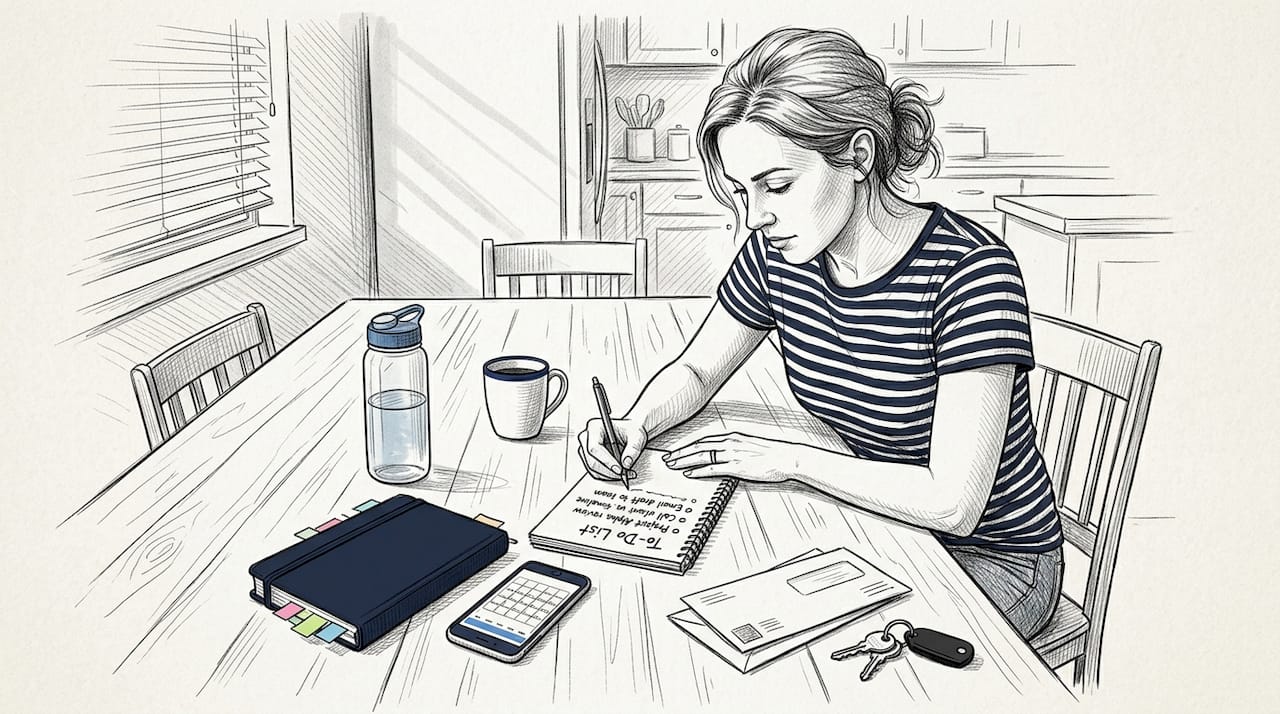
Scheduling exercise with ADHD takes strategy. Put it in your calendar like a meeting. Lay out your workout clothes the night before. Remove the decision-making from the morning.
“Exercise is not a luxury for adults with ADHD. It is one of the most evidence-backed non-medication ADHD treatments available.”
Building executive routines around your exercise habit makes it far more likely to stick.
Pro Tip: Pair exercise with something you love, a podcast, a playlist, or a walking buddy. The enjoyment becomes the reward, not just the workout.
2. Sleep improvements for better focus
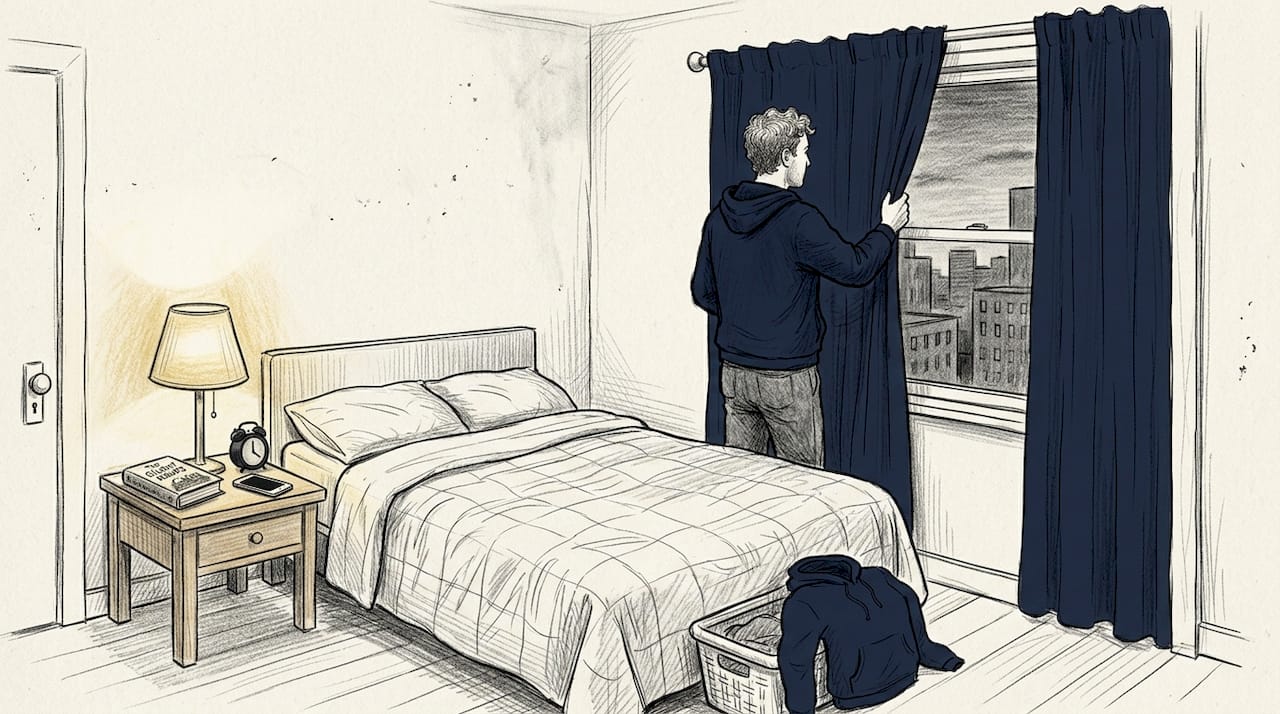
Poor sleep and ADHD are a brutal combination. When you are sleep-deprived, attention drops, impulsivity spikes, and emotional regulation falls apart. For adults with ADHD, this can look like symptoms getting dramatically worse overnight.
Here is a simple sleep routine to follow:
- Set a consistent bedtime and wake-up time, even on weekends.
- Stop caffeine by 2pm.
- Avoid screens for at least 30 minutes before bed.
- Cut out sugar and alcohol in the evening, both disrupt sleep architecture.
- Use a wind-down routine: dim lights, calm music, or light reading.
- Keep your bedroom cool, dark, and quiet.
Stat callout: 7 to 9 hours of quality sleep is the recommended range for most adults, and it is especially critical for cognitive function and ADHD symptom management.
Think about organizing your sleep space as part of your ADHD toolkit. A cluttered, stimulating bedroom makes it harder for an ADHD brain to wind down.
3. Organization hacks that actually work
Organization is not about being tidy for its own sake. It is about reducing the mental load that ADHD already makes heavy. When your environment is clear and your tasks are visible, your brain does not have to work as hard.
Breaking tasks into steps, using timers, planners, and calendars, and decluttering your workspace are all proven strategies for ADHD productivity. Here is what works best:
- Time-blocking: Assign specific tasks to specific time slots in your day.
- Pomodoro technique: Work for 25 minutes, rest for 5. Repeat. It keeps focus sharp without burnout.
- Color coding: Use colors for different task types or priorities. Visual cues bypass the need to re-read everything.
- Visual planners: A whiteboard or sticky notes on the wall beat a buried app every time.
- Declutter regularly: A messy space is a distracted brain. Even 10 minutes of tidying before work helps.
For deeper ADHD decluttering tips, there are specific strategies that work with how your brain processes visual information rather than against it.
Pro Tip: Try body doubling. Work alongside someone else, in person or on a video call, without necessarily talking. The presence of another person creates just enough accountability to keep you on task.
4. Reducing digital distractions
The average smartphone sends dozens of notifications per day. For an ADHD brain, each one is a potential derailment. Screens are designed to capture attention, and ADHD makes that capture even harder to resist.
Limiting screen time and creating tech-free zones, especially in the bedroom, reduces distraction and improves both sleep and focus. Here is a practical plan:
- Turn off all non-essential notifications on your phone and computer.
- Set a hard rule: no devices after 9pm.
- Keep your bedroom completely screen-free.
- Use website blockers like Freedom or Cold Turkey during focus sessions.
- Batch your email and social media checks to two or three set times per day.
“Reducing digital noise is one of the fastest ways to reclaim attention. It does not require willpower once the systems are in place.”
Strengthening your executive function resources helps you build the habits that make these digital boundaries automatic rather than effortful.
5. Building your support network
ADHD can feel isolating, especially when you are newly diagnosed and still figuring out what it means for your life. A strong support network does not just feel good. It actually improves outcomes.
Building a support network through ADHD groups, coaching, and honest conversations with family enhances accountability and well-being in measurable ways. Here is how to build yours:
- Join an ADHD support group. CHADD in the USA and ADHD UK both have local and online options.
- Tell close friends and family. You do not need to explain everything, but letting people know helps them support you better.
- Find an accountability partner. Someone who checks in weekly on your goals makes a real difference.
- Consider ADHD coaching. A coach helps you build systems, not just motivation.
- Explore online communities. The ADHD community support available online is active, practical, and judgment-free.
Do not overlook nutrition and mental health either. What you eat affects mood, energy, and focus in ways that directly support everything else on this list.
6. Workplace adjustments for ADHD
Work is often where ADHD symptoms hit hardest. Deadlines, meetings, open-plan offices, and constant context-switching are a perfect storm for an ADHD brain. The good news is that you have rights, and practical adjustments can make a significant difference.
Workplace adjustments in the UK fall under reasonable adjustments law, while in the USA the ADA provides accommodations for adults with ADHD. Here is what you can ask for:
- A quieter workspace or noise-canceling headphones
- Written instructions instead of verbal-only briefings
- Flexible start and finish times
- Regular check-ins with a manager for task prioritization
- Permission to use productivity tools like timers or task apps
Talking to your employer does not have to be a big formal event. Start with a simple conversation about what helps you do your best work. Most managers respond well when you frame it around performance, not diagnosis.
Building executive function at work is a skill that develops over time. Expect habits to take 2 to 5 months to fully stick before judging whether a change is working.
7. Therapy, coaching, and mindfulness
Lifestyle changes work best when paired with the right mindset tools. Three non-pharmaceutical options stand out: cognitive behavioral therapy (CBT), ADHD coaching, and mindfulness.
CBT is the most effective non-pharmaceutical approach for core ADHD symptoms and comorbid conditions like anxiety and depression. Mindfulness is a strong alternative, especially for emotional regulation.
| Approach | Best for | Pros | Cons |
|---|---|---|---|
| CBT | Core symptoms, anxiety, depression | Strong evidence base, structured | Requires a therapist, can be costly |
| ADHD coaching | Daily systems, accountability | Practical, action-focused | Not clinical, varies in quality |
| Mindfulness | Emotional regulation, stress | Low cost, flexible | Slower results, needs consistency |
To get started:
- Search for ADHD-specialist therapists through Psychology Today or the BACP directory.
- Try a 5-minute breathing exercise each morning before checking your phone.
- Use a journal to track thoughts and patterns for 10 minutes each evening.
Explore ADHD self-help tools designed specifically for adults who want structured, practical support between sessions.
8. Choosing and customizing your ADHD lifestyle plan
You do not need to implement all 8 strategies at once. In fact, trying to do so is a classic ADHD trap. The goal is to pick your top 2 to 3 changes and build from there.
Habits take 2 to 5 months to form, so patience is part of the plan. Here is a summary of all 8 strategies to help you prioritize:
| Strategy | Time needed | Effort level | Impact |
|---|---|---|---|
| Exercise | 30 min/day | Medium | High |
| Sleep routine | 15 min setup | Low | High |
| Organization hacks | 30 min/week | Medium | High |
| Digital detox | 10 min setup | Low | Medium |
| Support network | Ongoing | Low | High |
| Workplace adjustments | One conversation | Low | High |
| Therapy or coaching | Weekly sessions | Medium | High |
| Personalized plan | 1 hour setup | Low | High |
Here is your numbered checklist to get started right now:
- Write down your top 3 ADHD challenges.
- Pick 2 strategies from this list that address those challenges.
- Schedule your first action step in your calendar today.
- Set a 4-week check-in reminder to review your progress.
- Adjust based on what is and is not working.
For help customizing your ADHD plan around your specific work, home, and social life, there are structured resources that make this process much simpler.
Get support for your ADHD journey
Knowing what to do is one thing. Actually building the habits and systems that make these changes stick is where most adults with ADHD get stuck. That is completely normal, and it is exactly where structured support makes the biggest difference.
If you are ready to move beyond information and into real, lasting change, personalized ADHD coaching can help you build the executive function skills and organization systems that make everything else easier. Explore ADHD executive function support and organization coaching designed specifically for adults like you. Visit estelle-rose.com to find out how tailored coaching and self-help resources can help you turn these 8 strategies into a plan that actually fits your life.
Frequently asked questions
Can lifestyle changes replace ADHD medication?
Stimulants have the strongest short-term evidence for ADHD, but lifestyle strategies are a powerful complement. They are most effective alongside medication, not as a standalone replacement.
What is the best first lifestyle change for ADHD?
Sleep and organization routines are the easiest to start and tend to produce the fastest improvements in daily functioning.
How long before lifestyle changes help ADHD symptoms?
Habits take 2 to 5 months of consistent practice before you see noticeable improvements in focus or mood.
Are digital detoxes useful for adults with ADHD?
Limiting screen time and creating tech-free zones, especially before bed, reduces distractions and meaningfully improves both sleep quality and daytime focus.
Why is a support network important for adults with ADHD?
Support groups, coaching, and family increase accountability and make it far more likely that lifestyle changes will stick long-term.

